
How to Select the Best Interactive Pet Toys for Your Store
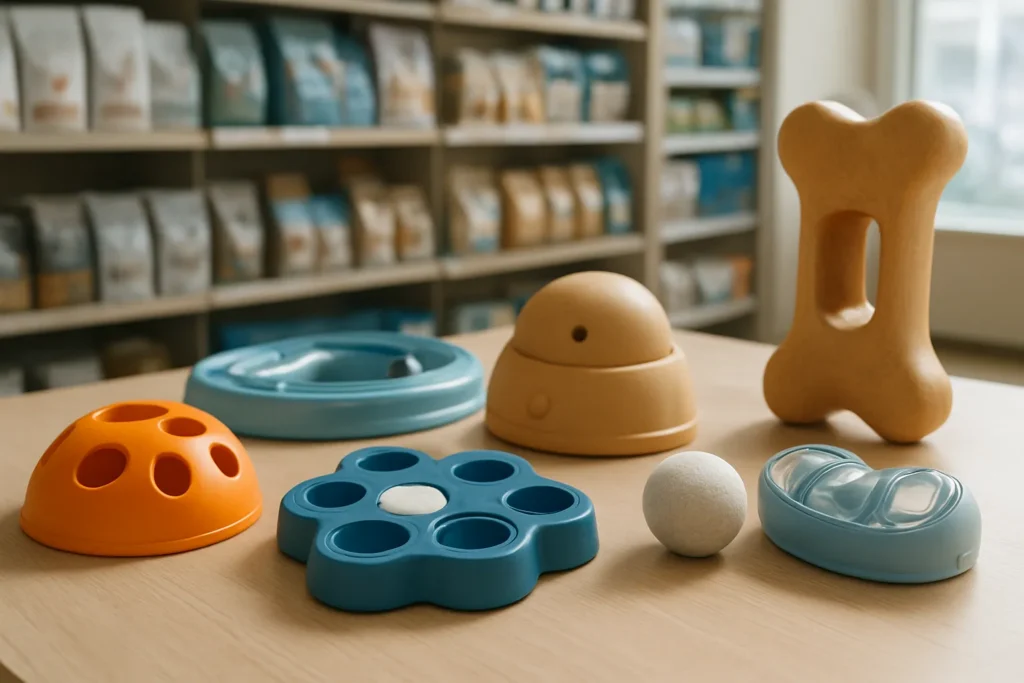
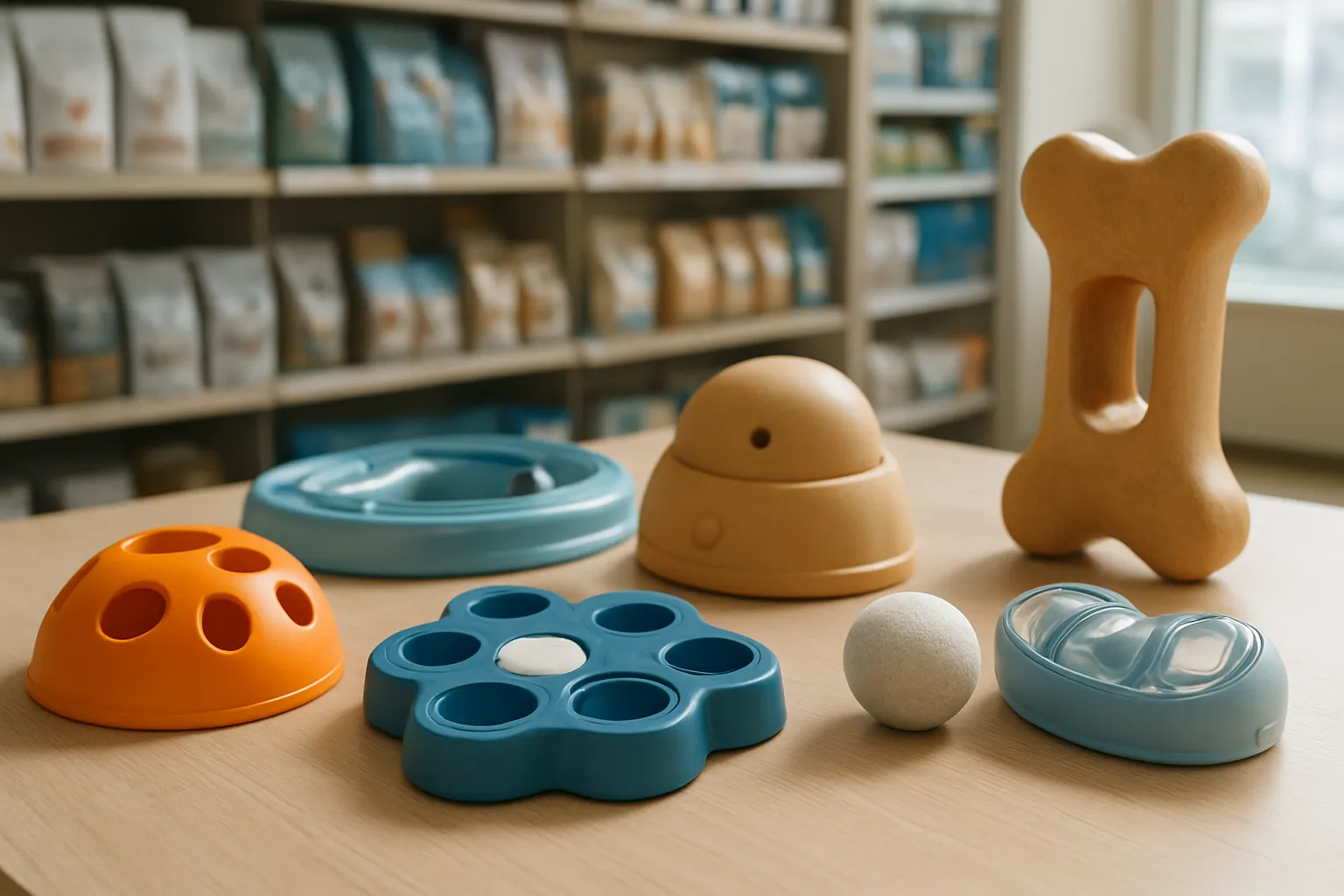
Interactive pet toys have revolutionized the way pets play and interact with their surroundings. These toys stimulate a pet’s senses and encourage active participation. They can range from simple puzzles to advanced electronic devices that respond to a pet’s actions. For pet retailers, offering a diverse range of interactive pet toys is more than just a trend; it’s a necessity. With the increasing demand from pet owners seeking ways to keep their furry companions entertained and mentally engaged, understanding how to select the best interactive pet toys can significantly enhance sales and boost customer satisfaction.
Key Specifications to Consider
When selecting interactive pet toys for your retail establishment, several key specifications should be carefully evaluated to ensure that you’re offering quality products that cater to the needs of both pets and their owners.
– **Material Safety Standards**: Safety is critical in the pet toy industry. Ensure that the toys you choose comply with safety standards such as ASTM (American Society for Testing and Materials) and are free from harmful chemicals like BPA, phthalates, and lead. This is essential not only for the health of pets but also for building trust with your customers.
– **Durability and Longevity**: Interactive toys should be designed to withstand enthusiastic play. Look for products made from high-quality materials that can endure chewing, scratching, and rough handling. Durable toys reduce the frequency of replacements, enhancing customer satisfaction and encouraging repeat purchases.
– **Age and Size Appropriateness**: Different pets have varying needs based on their age, size, and energy levels. Offer a variety of toys suitable for different breeds and life stages, from puppies and kittens to senior pets. This inclusivity can broaden your customer base and elevate the shopping experience.
Popular Use Cases for Interactive Pet Toys
Interactive pet toys serve multiple purposes and can significantly enhance the pet-owner relationship.
– **Engaging Dogs vs. Cats**: While many interactive toys are designed for dogs, there is a growing market for cat-friendly options. Understanding the preferences of each species can help you curate a balanced selection. For example, dogs may enjoy fetch toys that incorporate movement, while cats may prefer toys that mimic prey behavior.
– **Benefits for Pet Owners**: Interactive toys not only keep pets entertained but also provide pet owners with peace of mind. They can help reduce destructive behaviors stemming from boredom, thus fostering a harmonious home environment. Highlighting these benefits in your marketing materials can attract more customers.
– **Enhancing Pet Health and Well-being**: These toys can promote physical activity and mental stimulation, contributing to a pet’s overall health. Retailers can educate customers on how interactive toys can help manage weight, reduce anxiety, and improve cognitive function in pets. For more insights, refer to this industry reference.
Comparing Different Types of Interactive Pet Toys
Understanding the various types of interactive pet toys available is essential for making informed purchasing decisions.
– **Electronic vs. Non-Electronic Toys**: Electronic toys often feature automated functions that engage pets in unique ways, such as movement or sound. Non-electronic options, like puzzle feeders, stimulate pets mentally and physically without the need for batteries. Offering a mix of both can cater to different customer preferences.
– **Solo Play vs. Group Play Options**: Some interactive toys are designed for solo play, while others encourage group interaction. Consider stocking a range of products that cater to both individual pets and multi-pet households. This variety can meet diverse customer needs and enhance your store’s appeal.
– **Price Range and Value Assessment**: Interactive pet toys come in various price points. It’s important to assess the value of each product based on its features, durability, and brand reputation. Offering a range of price options can accommodate different budgets and encourage more purchases.
Sourcing Interactive Pet Toys
Finding the right suppliers for your interactive pet toys is crucial for maintaining quality and reliability.
– **Finding Reliable Pet Toy Manufacturers**: Research and identify reputable manufacturers known for their commitment to quality and safety. Attend trade shows or industry expos to meet potential suppliers and review their offerings in person. For a reliable source, check out Jinhua Jinxie Toys Co., Ltd.
– **Evaluating Supplier Credentials**: Look for manufacturers with a solid track record and positive customer reviews. Certifications and compliance with safety standards are also key indicators of a reliable supplier.
– **Understanding Minimum Order Quantities**: Different manufacturers have varying minimum order quantities (MOQs). Understanding these requirements will help you manage inventory effectively and avoid overstocking or understocking issues.
Implementation Strategies for Retailers
Once you’ve selected the best interactive pet toys, implementing effective strategies in your retail environment can enhance sales.
– **Displaying Interactive Pet Toys Effectively**: Create eye-catching displays that highlight the features and benefits of interactive toys. Use signage to explain how the toys work and their benefits, making it easy for customers to understand their value.
– **Training Staff on Product Features**: Ensure that your staff is well-trained on the interactive toys you offer. They should be able to demonstrate the products, answer questions, and provide recommendations based on customer needs.
– **Marketing Strategies for Promotion**: Utilize various marketing channels to promote your interactive pet toys. Social media, email newsletters, and in-store promotions can effectively raise awareness and drive traffic to your store.
Frequently Asked Questions
– **How to Identify Quality Interactive Pet Toys?**: Look for toys that meet safety standards, have positive customer reviews, and come from reputable manufacturers. Checking for durability and appropriate sizing is also essential.
– **What Are the Trends in Interactive Pet Toys?**: Current trends include eco-friendly materials, toys that incorporate technology, and products designed for mental stimulation. Staying updated on these trends can help you remain competitive.
– **How to Handle Customer Feedback on Products?**: Encourage customers to share their feedback and reviews. Use this information to make informed decisions about your inventory and address any concerns promptly to maintain customer satisfaction.
Conclusion
Choosing the best interactive pet toys for your retail store requires careful consideration of various factors, from safety and durability to effective sourcing and marketing strategies. By understanding the needs of both pets and their owners, pet toy retailers can curate a selection that not only enhances the shopping experience but also drives sales. As the demand for engaging pet products continues to grow, staying informed about trends and customer preferences will position your store for success in the competitive pet retail market.